I travel enough that travel insurance stopped feeling optional a long time ago.
Flights get canceled. Bags disappear. Volcanoes erupt.
That last one is not hypothetical.
I currently use the Travel Guard Annual Plan, and it’s the one I keep renewing because it makes more sense for the way I travel than buying a separate policy every single time I book a trip.
I’m not saying it’s automatically the best travel insurance for everyone. But I travel frequently, often internationally, and I’ve had enough things go wrong on the road to know I want something in place before I need it.
Why I use an annual travel insurance plan
If you only take one or two trips a year, buying insurance trip by trip might make more sense.
That’s not how I travel.
I’m moving around constantly, sometimes between several countries on the same trip, and I don’t want to think about buying another insurance policy every time I book a flight.
With an annual plan, I already know I have coverage in place for eligible trips throughout the year.
For me, the biggest benefit is honestly the simplicity.
Book the trip. Go.
When my bag got stuck in Chicago
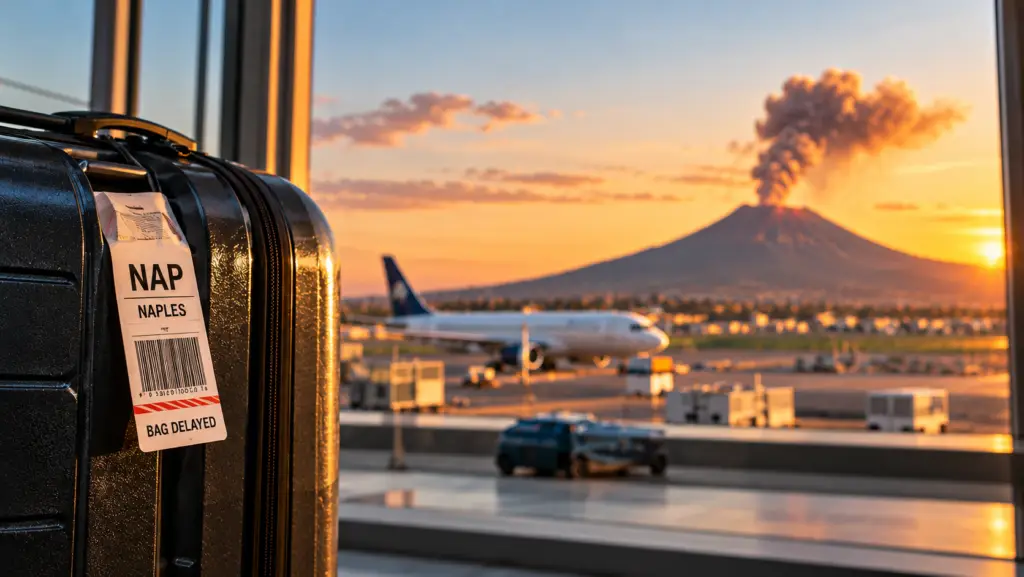
On my way to Naples, my checked bag never made it onto the final part of the journey.
I landed in Italy while my AirTag was still showing the bag sitting at Chicago O’Hare.
Not exactly how you want to start a trip.
I arrived in Naples around 8 in the morning, and although the bag eventually made it to Naples the following day, I still had to wait for courier delivery. In total, I went roughly three calendar days without my luggage.
So I bought the basics: underwear, socks, shoes, toiletries, clothes, and the things I actually needed while I waited.
This is where my Travel Guard policy really came through.
My plan paid $200 per day for the baggage delay, up to the applicable limit for a total of $600.
The claim itself was pretty straightforward. I kept the documentation showing that the bag was delayed and saved the receipts for the things I had to buy.
It’s the kind of coverage you barely think about when buying travel insurance, until you land on another continent with none of your stuff.
And then Mount Etna erupted.
A few weeks later, I ended up filing a much bigger claim.
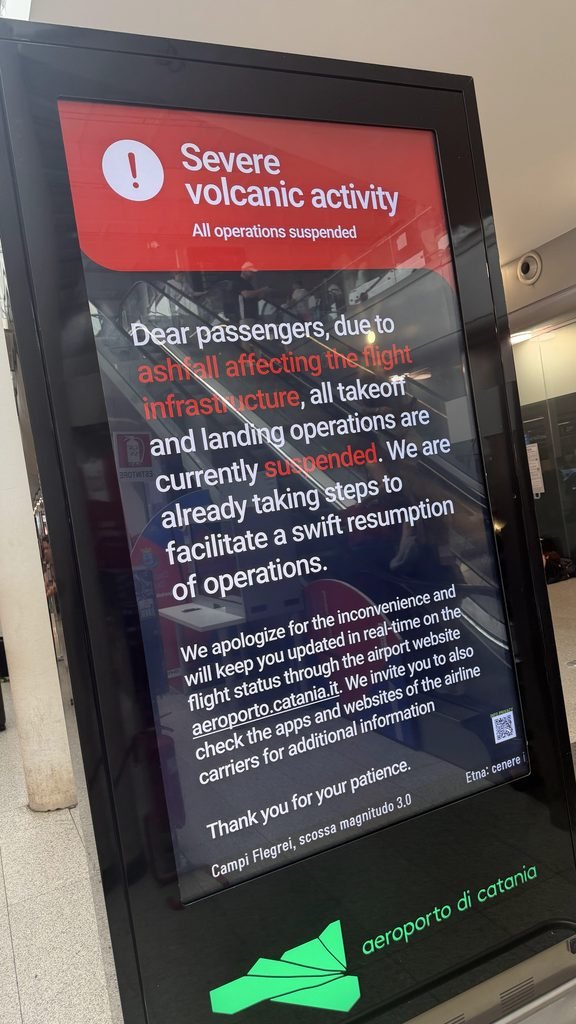
Mount Etna erupted while I was in Sicily.
Volcanic ash affected Catania Airport, flights were disrupted, and mine was canceled twice.
That meant changing plans, extra expenses, and figuring out how I was going to get out of Sicily while the airport situation was still unpredictable.
I submitted a claim through Travel Guard for hotels, meals and local transportation,. and they paid me $1,300 for the covered those expenses related to the disruption.
That was probably the moment the annual policy really proved its value to me.
Travel insurance is easy to question when nothing goes wrong. But when an actual volcano cancels your flight and you suddenly have more than a thousand dollars in unexpected costs, it feels very different.
What I actually care about in travel insurance
I don’t choose travel insurance because of a massive list of benefits I’ll probably never use.
I care about a few very practical things.
Trip delays and interruptions
If a flight problem forces me to pay for an extra hotel, transportation, meals, or other unexpected expenses, I want to know whether those costs may be covered.
Delayed baggage
I’ve already learned firsthand how quickly buying basic clothes and toiletries adds up when your suitcase doesn’t arrive with you.
Emergency medical coverage
This is probably the most important reason to have travel insurance internationally, even if it’s hopefully the benefit you never need.
Coverage across multiple trips
Because I travel so frequently, an annual plan is simply easier for me than buying a new policy every time I go somewhere.
What you need to know before buying it
This is the boring part, but it matters.
Travel insurance comes with limits, exclusions, waiting periods, and very specific definitions of what counts as a covered event.
A flight being inconvenient doesn’t automatically mean it qualifies as a covered delay.
A canceled trip isn’t automatically reimbursed.
And baggage-delay coverage doesn’t mean you can go shopping without limits just because your suitcase is late.
Coverage can depend on things like:
- how long the delay lasts
- why the disruption happened
- what expenses you incurred
- whether the event qualifies under your specific policy
- your benefit limits
- what documentation you can provide
So always read the actual policy before buying.
Would I buy Travel Guard again?
I already have.
For the amount I travel, I like having one annual policy running in the background instead of buying insurance every time I book a trip.
More importantly, I’ve actually used it.
When my luggage was delayed, the policy paid $200 per day.
When Mount Etna disrupted my trip and canceled my flight, Travel Guard paid my $1,300 claim.
That doesn’t mean every delay or cancellation will be covered. Every claim depends on the policy terms and the circumstances.
But in my experience, when I’ve genuinely needed the coverage, it has worked.
That’s why I keep renewing it.
I don’t buy travel insurance because I expect something to go wrong on every trip.
I buy it because I travel enough to know that eventually, something will.
And apparently sometimes that something is a volcano.
The travel insurance I use
I use an annual policy because it fits the way I travel, but the right plan depends on your own trip frequency, destination, age, coverage needs, and budget.
Before buying, I’d compare the current plan details directly with Travel Guard and make sure the coverage limits and exclusions actually make sense for your situation.
This article is based on my personal experience and is not insurance or financial advice. Coverage varies by plan and situation, so always read the policy details before purchasing.
High